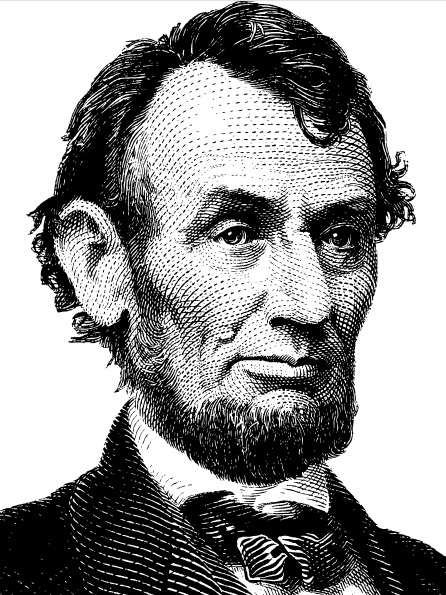
The False Claims Act was signed in the middle of the Civil war by President Abraham Lincoln on March 2, 1863. The second Battle of Bull Run in August of 1862 was a stunning defeat for the North. Lincoln had predicted that the war would be won in a few months. After 2 years of war Americans were shocked by the incredible death tolls.
Contractors were defrauding the Union Army. An article in Harper’s magazine reported that for sugar the army “often got sand; for coffee, rye; for leather, something no better than brown paper; for sound horses and mules, spavined beasts and dying donkeys; and for serviceable muskets and pistols the experimental failures of sanguine inventors or the refuse of shops and foreign armories”.
Lincoln did not have the investigators or prosecutors to prevent fraud. So he turned to an old concept called qui tam (key tam), short for a Latin phrase meaning “he who brings a case on behalf of our lord the King, as well as for himself”, that existed in Roman law, early English law, and colonial American law. Private citizens were empowered to bring suit and share in the damages and fines. Known as the Lincoln Law, the person who sued and the government originally shared 50-50 in the amounts recovered.
Historically, the defense industry and defense contractors have been the focus of the False Claims Act. Since the adoption and expansion of Medicare and Medicaid, the focus of the False Claims Act has increasingly shifted to the healthcare industry.
According to a Department of Justice Fact Sheet for fiscal year 2025, “Health care fraud remained a leading source of False Claims Act settlements and judgments. These recoveries restore funds to federal programs such as Medicare, Medicaid, and TRICARE, the health care program for service members and their families. The Department continued and expanded its success in three major areas: Managed Care, Prescription Drugs, and Medically Unnecessary Care. … The Justice Department continued its pursuit of entities that engaged in misconduct related to drug pricing, drug dispensing, and illegal kickbacks that risk injecting improper financial motivations into the drugs prescribed to beneficiaries.”